In this article
- The most common symptoms at 2,100 meters
- Blood pressure and respiratory problems
- Pressure and discomfort in the ears
- Drink plenty of water. Altitude dehydrates faster than you think. Altitude sickness in Sierra Nevada is common, but controllable. If you feel strong dizziness or a persistent headache, the best thing is to rest and hydrate.
Have you felt short of breath climbing simple stairs at the resort? It’s not a lack of training: it’s the altitude.
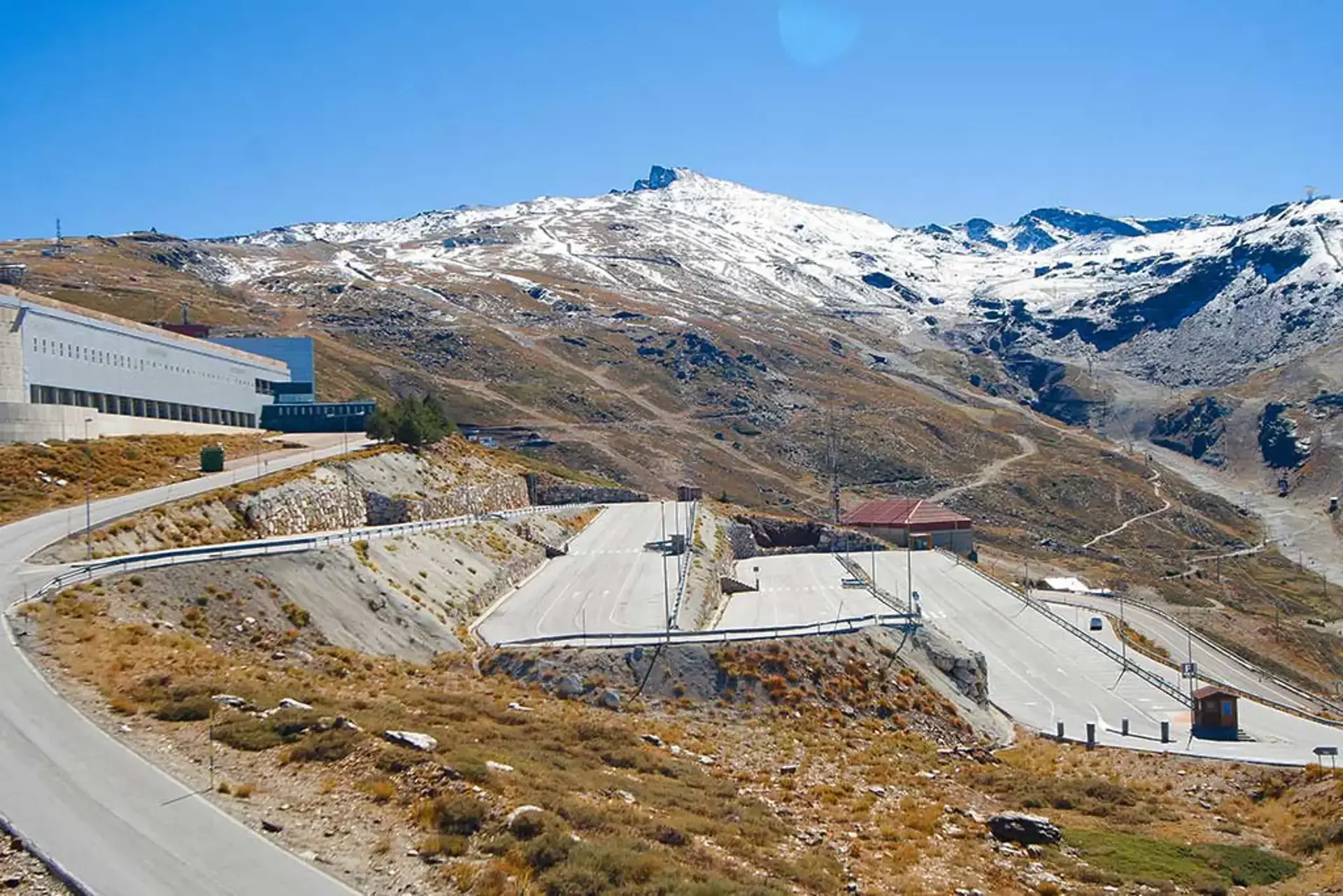
The Sierra Nevada resort is located at a base of 2,100 meters above sea level, and its peaks exceed 3,000 meters. At this altitude, the air is thinner and oxygen is scarce, which can cause the famous "altitude sickness."
The most common symptoms at 2,100 meters
As you go up the mountain, your body notices the change in pressure. Symptoms can range from slight discomfort to more serious situations.
Difficulty breathing: You will feel fatigue with minimal effort. Climbing stairs with ski boots can become a real ordeal.
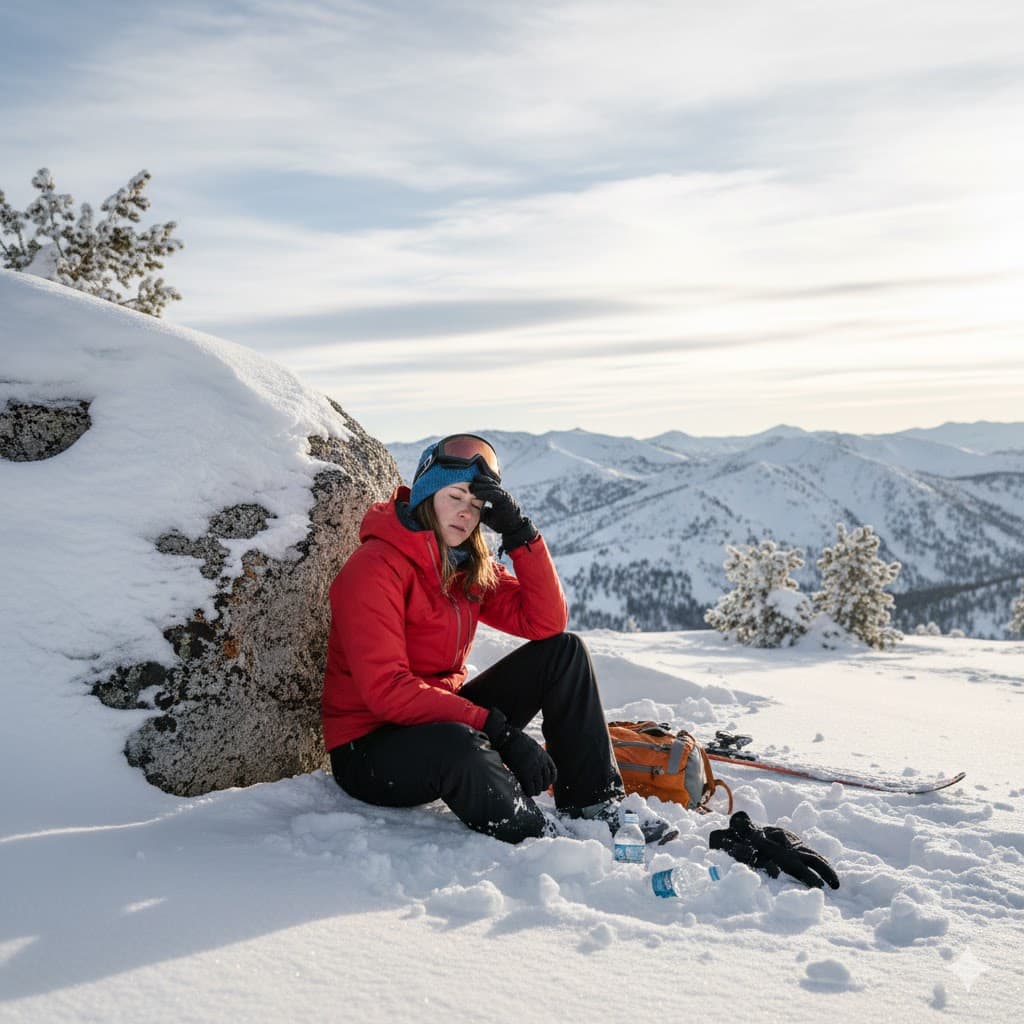
Dizziness and disorientation: In more acute cases, you may experience blurred vision, loss of balance, or even loss of consciousness.
Risk of falls: In an environment with snow and ice, dizziness or a "silly slip" can lead to a serious injury. The lack of oxygen affects your reflexes.
Blood pressure and respiratory problems
If you suffer from high blood pressure or previous respiratory problems, you must take extreme precautions. Altitude usually accentuates these symptoms, so it is recommended not to perform explosive efforts right upon arrival.
Pressure and discomfort in the ears
Altitude sickness doesn't just start upon arrival, but during the journey. The drive up to the resort involves a very rapid change in pressure over just a few kilometers.
It is very common for your ears to get blocked. To avoid pain and temporary deafness, a classic insider trick is to chew gum or yawn repeatedly during the ascent. This helps to decompress the ear.
Drink plenty of water. Altitude dehydrates faster than you think. Altitude sickness in Sierra Nevada is common, but controllable. If you feel strong dizziness or a persistent headache, the best thing is to rest and hydrate.
Share